
The title, The British American Security Expert was bestowed on me by global media and TV broadcasters 20 years ago. This was after I returned from the USA to provide testimony as a chief prosecution ‘security expert’ witness in the world’s first ever Post September 11th criminal trial at the Old Bailey Court in London, England.
This was after aL Qaeda killed close to 3,000 innocent people in the infamous three attacks in the USA. This trial was to prosecute the first ever alleged terrorist linked to aL Qaeda. It was also the first case to be tried under the new UK Terrorism Act 2000. The trial lasted approx’ 6 weeks including 5 days of jury deliberation. It concluded Friday 9th August 2002.
Considered to be a global ‘Trophy Trial’ it received massive global media coverage, with TV and press outlets from most Countries around the world covering this high-profile trial. I utilise The British American Security Expert phrase to this day, not out of vanity, but because it instils supreme confidence in client’s seeking my professional security services.


I believe the word ‘EXPERT’ is often misused by some people seeking to inflate their egos and mislead prospective clients, so many years ago I conducted extensive research to identify precisely what an ‘Expert’ has to do, to be considered a security expert.
In an era of inflated titles and digital bravado, the term ‘Expert’ has become dangerously diluted. In high-stakes security, where the margin for error is non-existent, “expertise” is not a badge one claims—it is a standard one earns.
To provide a world-class strategic security service to global Governments and Blue-Chip corporations, I recognised early in my career that true authority required more than experience; it required Mastery.
The science of elite performance, famously highlighted by Malcolm Gladwell and pioneered by Dr K. Anders Ericsson, identifies a definitive benchmark: 10,000 hours of deliberate practice. To reach this threshold of “Expert Status” requires eight hours of focused, maximum-effort practice every day for five years—assuming zero distractions, zero weekends, and zero vacations. In ultra-competitive fields like professional sports or classical music, most can only sustain this intensity for 3.5 hours a day, meaning true mastery often takes a decade or more of relentless dedication.
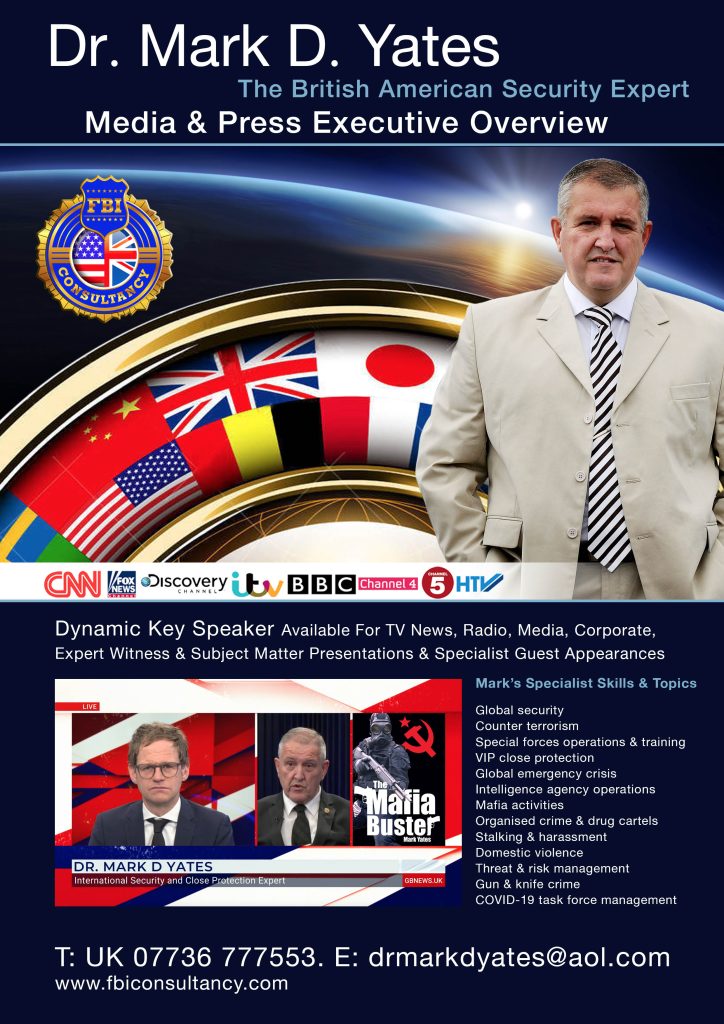

I did not stumble into my expertise; I architected it. My career was intentionally designed to fuse the most demanding disciplines into a single, unassailable professional pedigree:
There is a fine line between supreme confidence and arrogance. In my world, ego is a liability; confidence is a requirement. True experts do not need to shout to be heard; their status is validated by their results and the longevity of their relationships.
After 30 years, I am still retained by some of the same global clients, and I continue to mentor the same elite operatives I trained decades ago. They recognise that my authority is built on a foundation of “Serious Participation”—a level of competence that transcends the superficial.
I operate by the Special Forces mantra that separates the amateur from the professional:
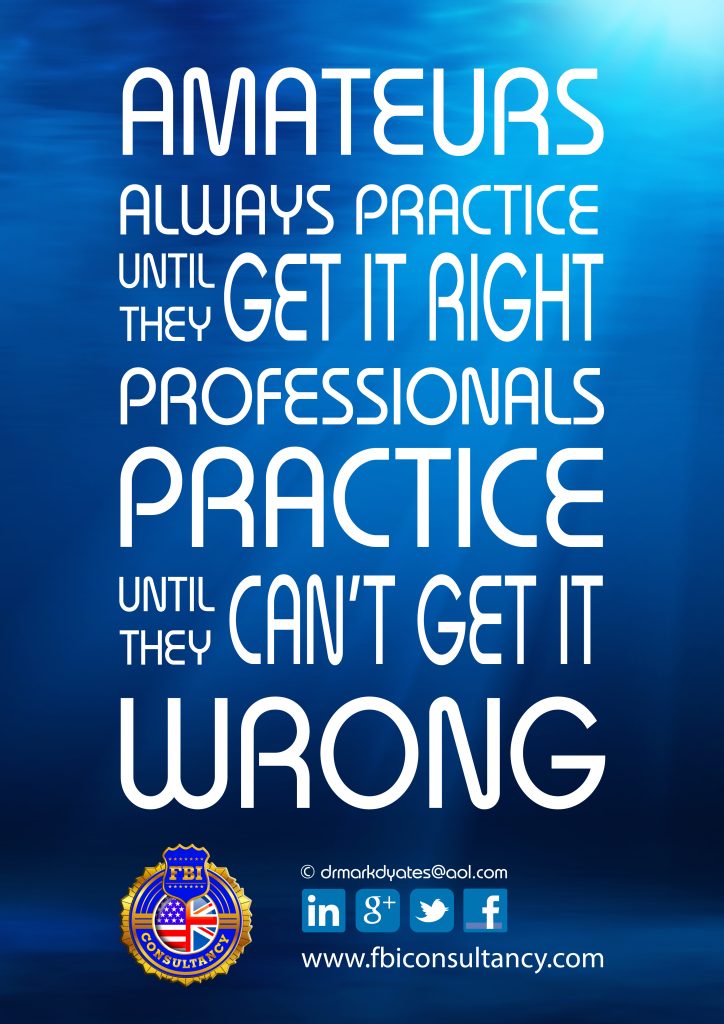
“Amateurs practice until they get it right. Professionals practice until they can’t get it wrong.”
